

Caribou in Eeyou Istchee

Caribou have always been central to life in Eeyou Istchee. They are part of our food systems, our stories, and as hunters and trappers, we are responsible for them.

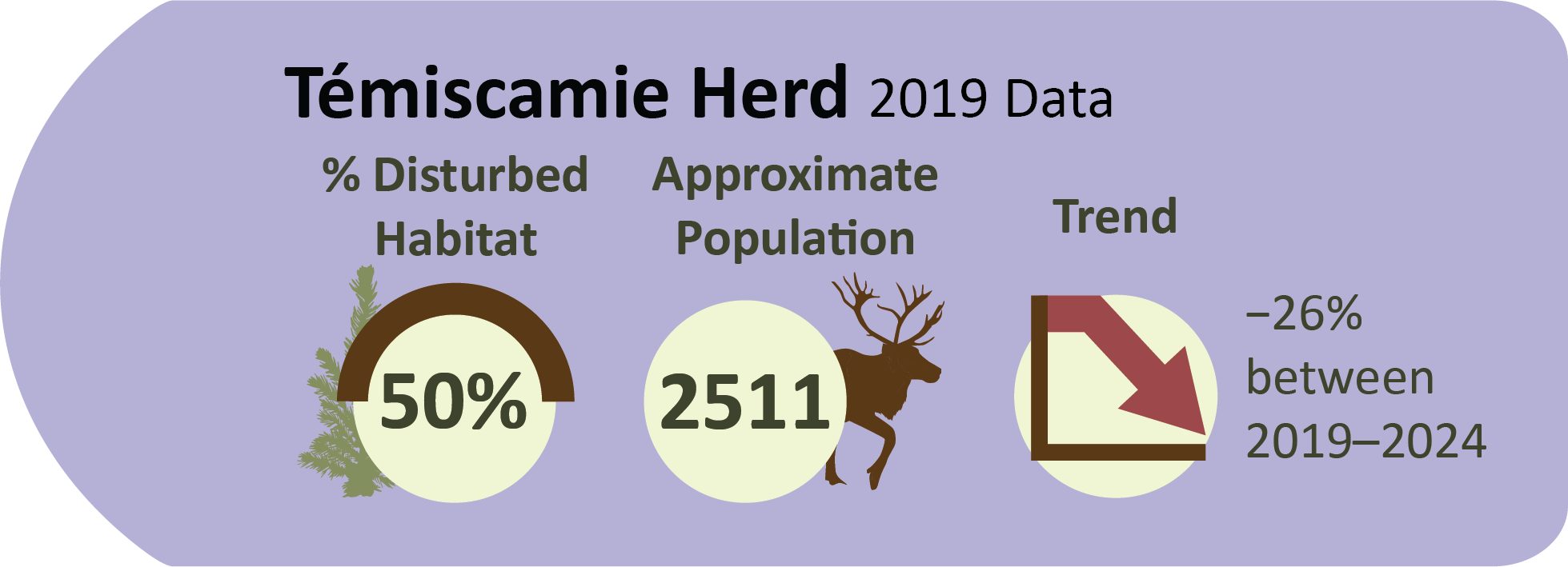
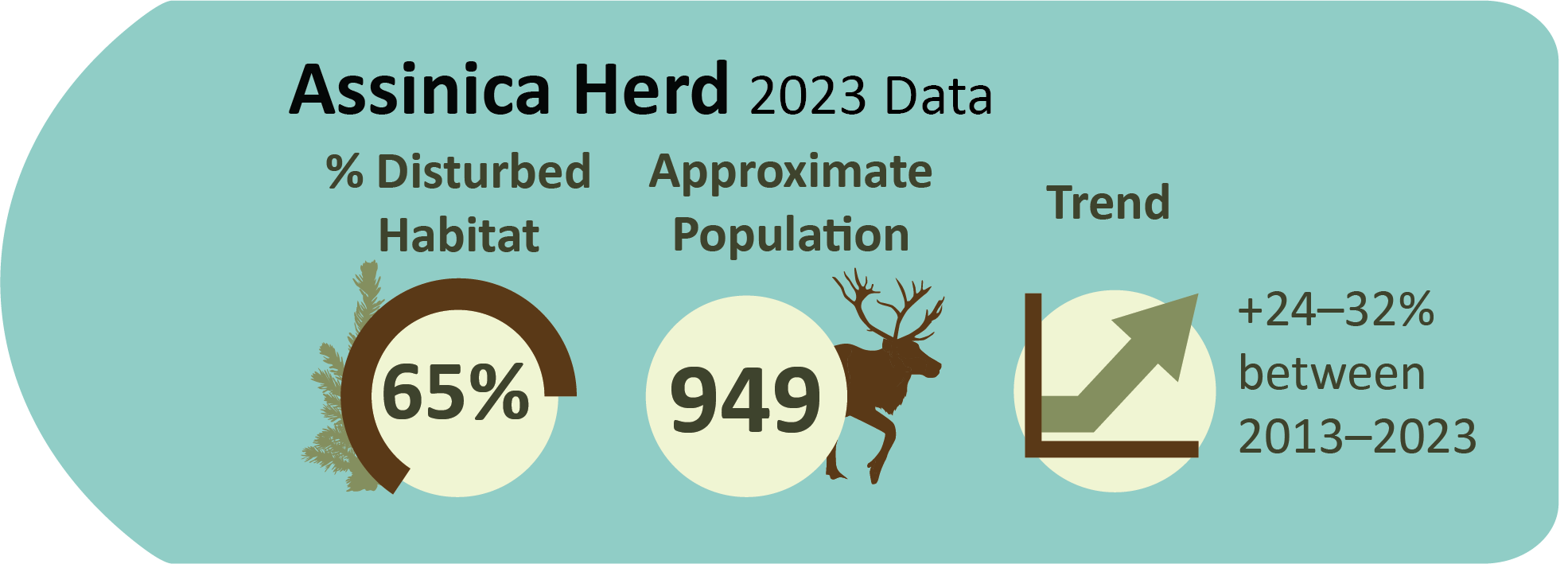
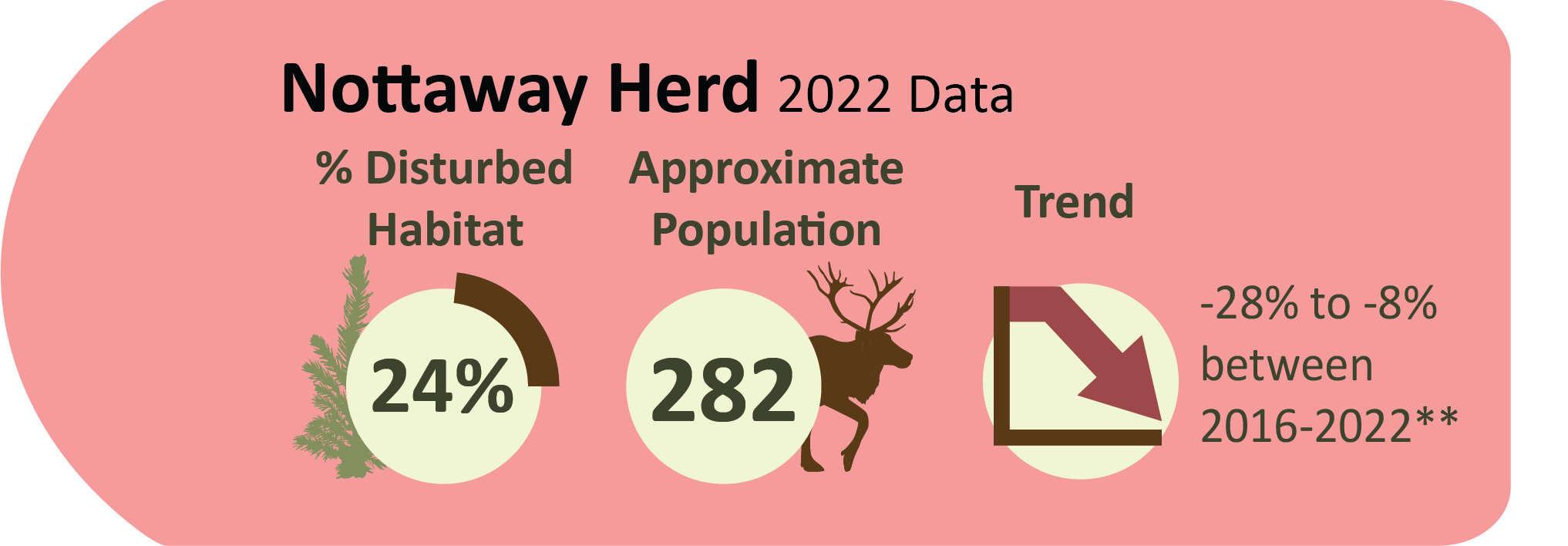
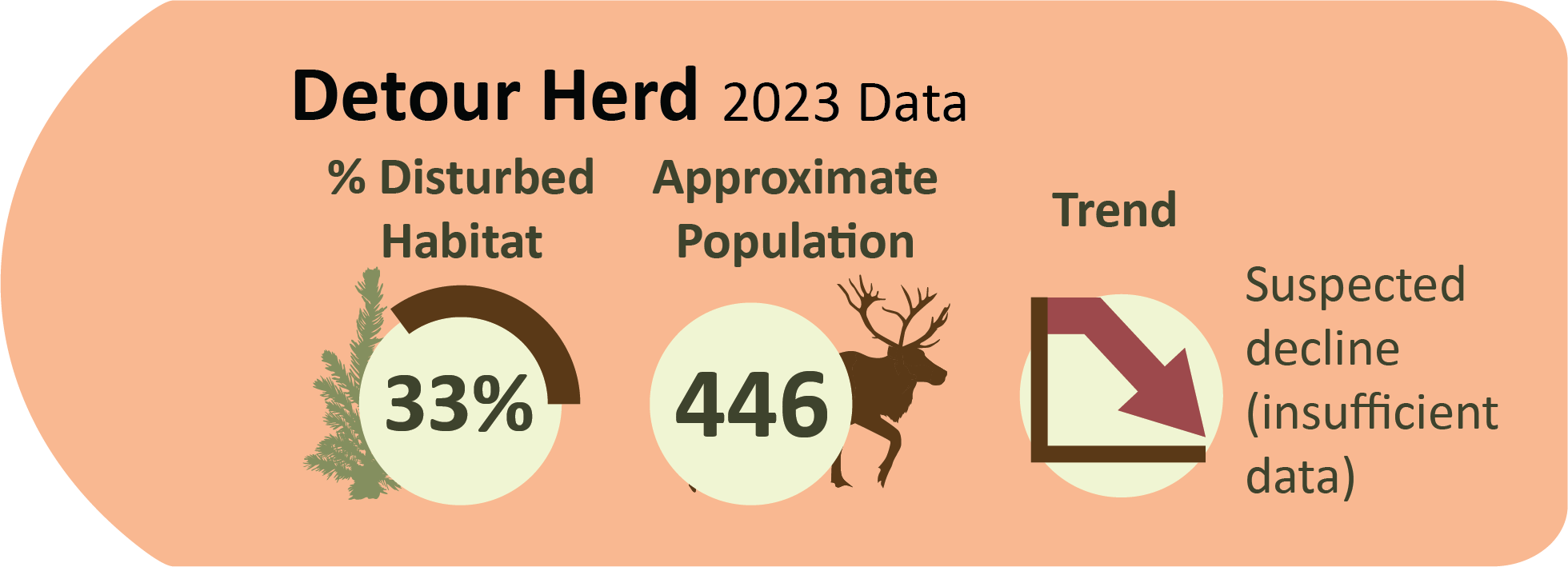
For generations, Eeyouch/Eenouch have followed the movements of caribou, learned their habits, and respected the role they play on the land. Caribou populations are declining not just in Eeyou Istchee, but across the boreal forest, mountains, and tundra  landscape. Caribou are not all the same. Different herds of woodland and migratory caribou have different behaviours, use different areas of the land, and face different pressures.



Woodland Caribou

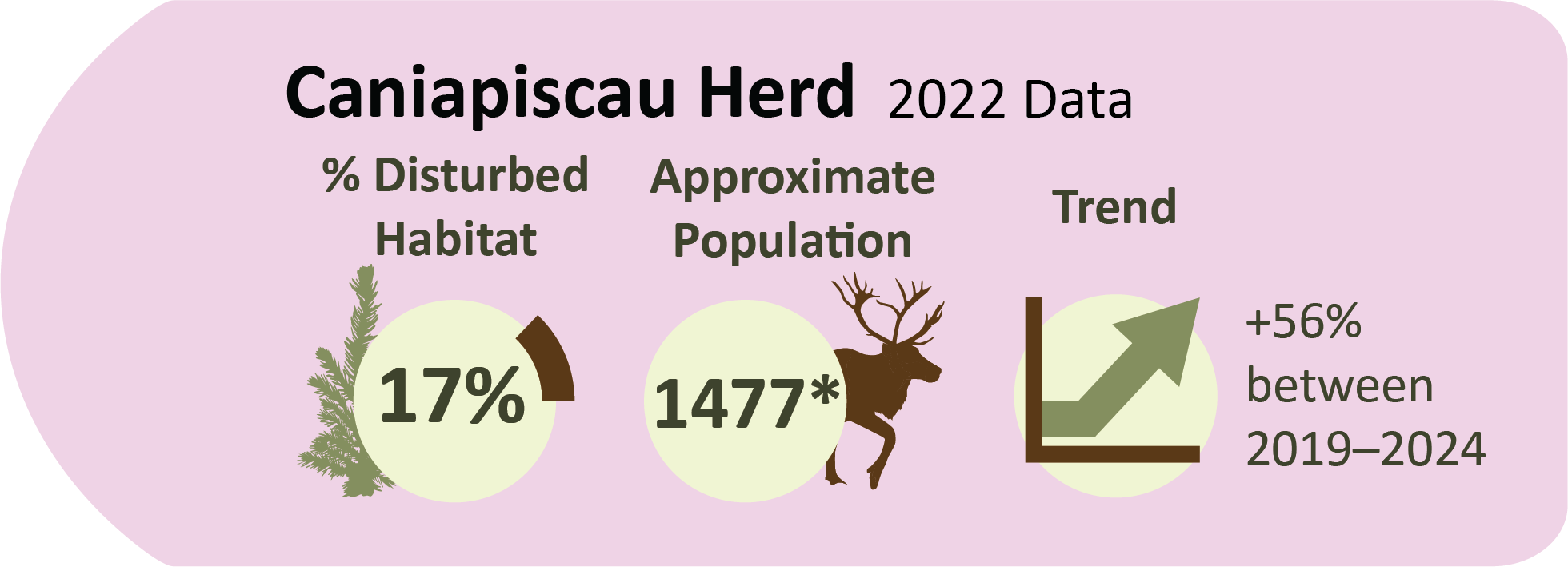
Woodland caribou usually stay in the same area year-round. They move relatively short distances between feeding, calving, and wintering areas. They prefer large, continuous mature coniferous forest strands, and wetlands that provide both food and protection from predators. Because they remain in the same landscapes year-round, woodland caribou are particularly sensitive to habitat disturbance caused by forestry, roads, mining, hydroelectric development, and wildfires. Habitat fragmentation increases predator access and can reduce their survival.

Migratory Caribou

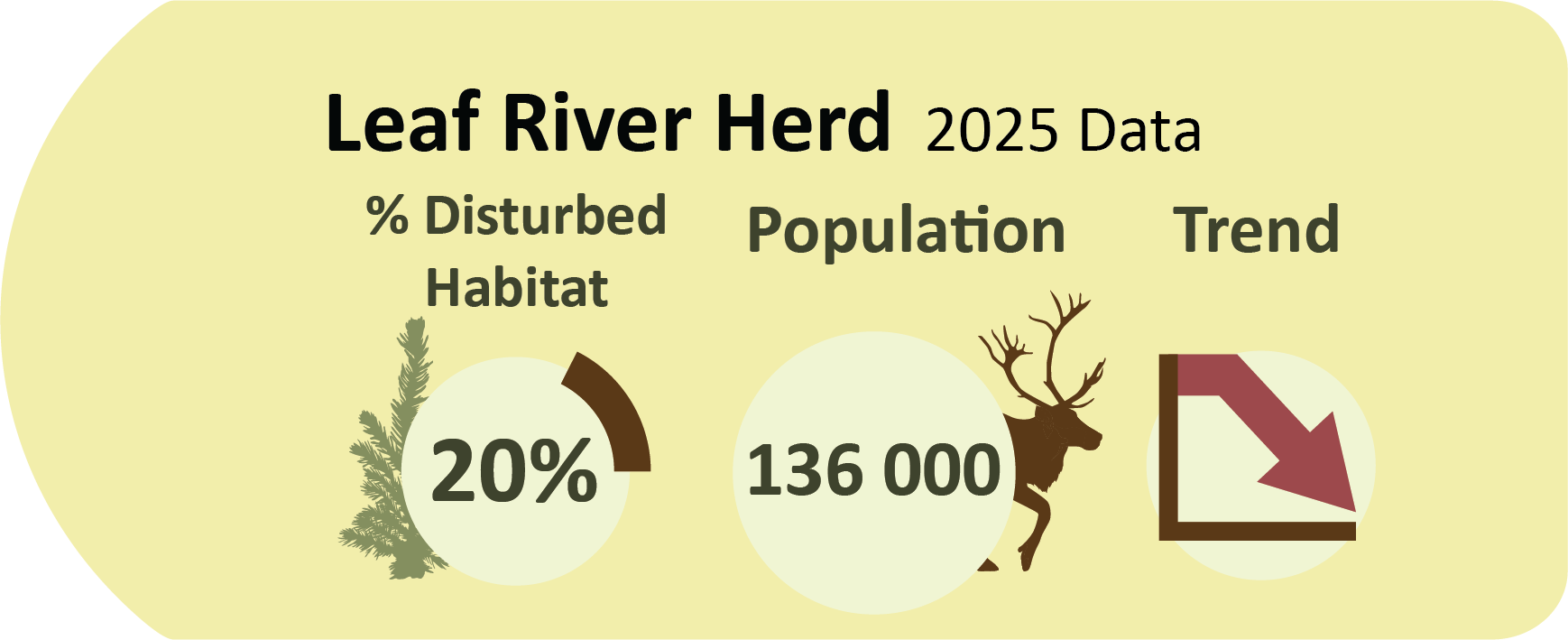
Migratory caribou travel hundreds or even thousands of kilometres every year between their wintering grounds in the boreal forest and their calving grounds in the tundra. These migrations allow them to follow seasonal food availability while reducing predation during calving. The Leaf River herd, which roams in Eeyou Istchee during the winter, completes an annual migration of approximately 1,000 km— one of the longest terrestrial migrations in North America!

Threats to Caribou in Eeyou Istchee

The biggest threats to caribou herds in Eeyou Istchee include habitat loss and alteration through development, predation, and harvesting by humans. Guided by traditional knowledge and collaborative science, we hope to return to healthy caribou populations capable of sustaining traditional hunting for Cree communities.

Ongoing Projects

Cree Nation Government’s Wildlife Unit is working closely with the Cree Trappers’ Association (CTA) to support ongoing research and conservation initiatives across Eeyou Istchee. Here are some of our ongoing projects.

Woodland caribou husbandry feasibility study:

In collaboration with Cree Nation of Mistissini, we are conducting a feasibility study to assess whether caribou husbandry could be a potential conservation tool in Eeyou Istchee. The project integrates Cree Knowledge and scientific expertise to evaluate options, challenges, and next steps.

Knowledge gathering – Migratory caribou Workshop:

We are organizing a Migratory caribou knowledge Workshop (Fall 2026) in Whapmagoostui. This event will be held to gather and document Cree knowledge of Migratory caribou to help ensure it is preserved for future generations. Through conversations with Elders, tallymen, harvesters, women, and youth, the project will support the sharing of knowledge and opportunities for youth learning to guide future Cree caribou management.

James Bay coastal islands genetic analysis:

An ongoing study is exploring how caribou use the coastal islands of James Bay, using genetic analysis and camera trap data. The results will help to better understand use of James Bay coastal islands by caribou. This project builds on Cree observations that when caribou disappear, they often go into the water, which aligns with recent documentation of island use.

The Future of Caribou in Eeyou Istchee

Following years of a voluntary moratorium on woodland caribou harvesting, the Cree Nation has called for a regulated harvest moratorium on all caribou populations in Eeyou Istchee in 2026. This temporary measure was established in response to urgent concerns regarding population declines. It’s well understood that protecting large areas of intact habitat, reducing habitat fragmentation, supporting collaborative monitoring, and integrating Cree traditional knowledge with scientific research all play important roles in ensuring healthy caribou populations for future generations.