
United in Purpose, Guided by Hope

Highlights from the 2026 Annual General Assembly in Waswanipi

2026 Annual General Assembly in Waswanipi

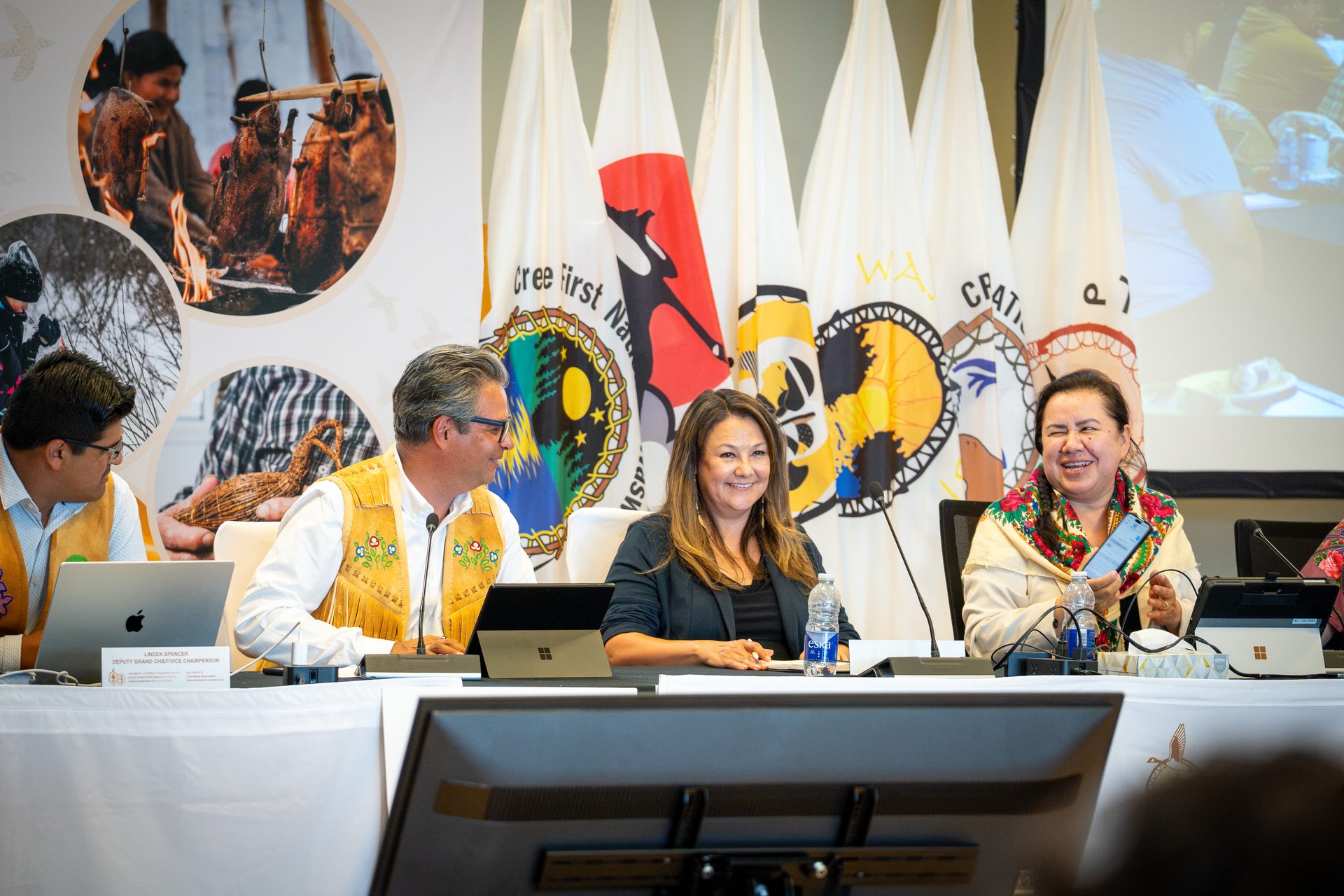
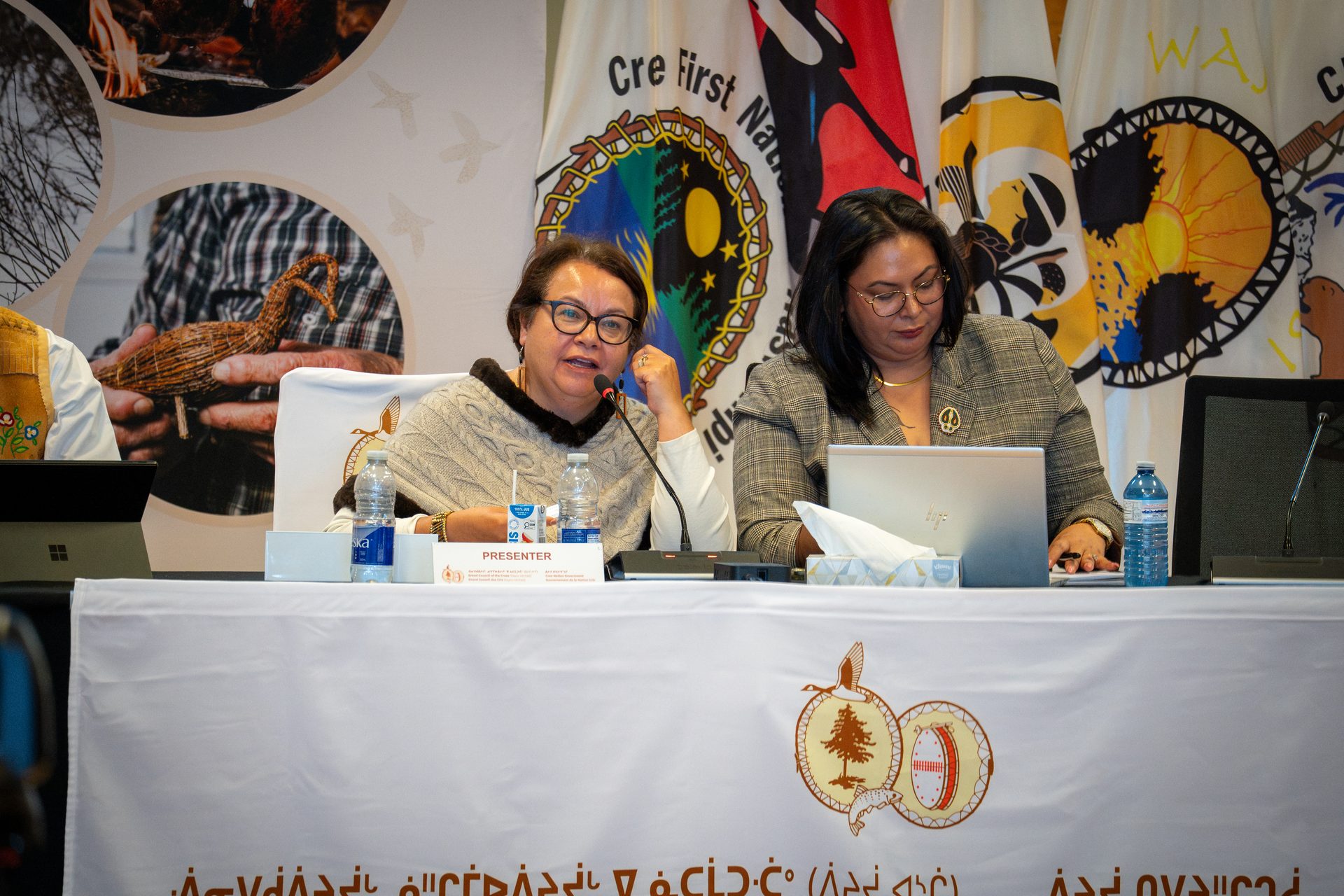
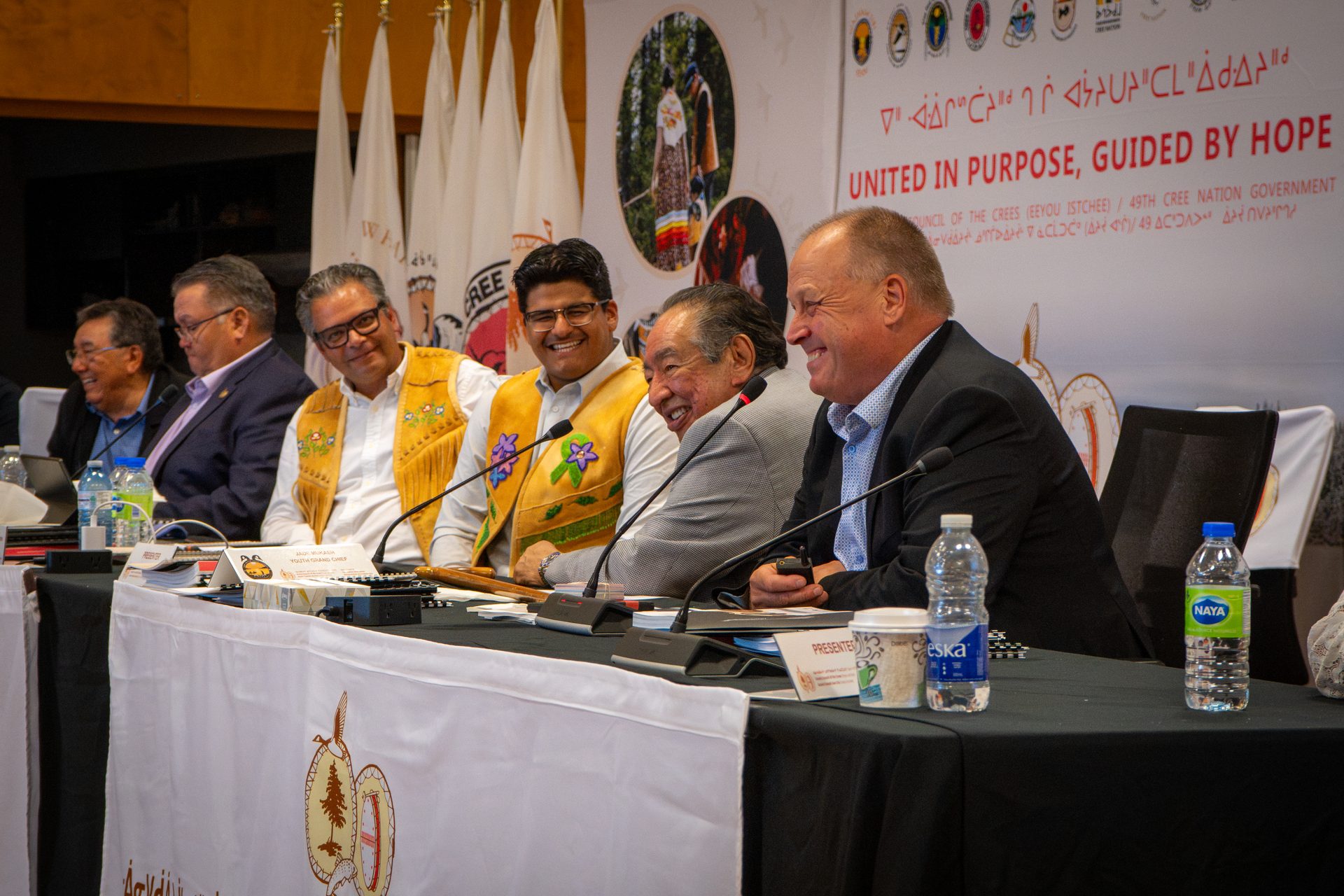
From August 10 to 13, 2026, over 60 delegates, leaders, Elders, youth representatives and community members gathered in Waswanipi for the 52nd Annual General Assembly of the Grand Council of the Crees (Eeyou Istchee) and the 49th Annual General Assembly of the Cree Nation Government.

Guided by the theme “United in Purpose, Guided by Hope,” the extended four-day format Assembly created more space to review the work of the past year, discuss priorities facing Eeyou Istchee and help direct the work ahead. It was also a time to recognize service, support an important health awareness initiative and celebrate the culture and music that bring people together.

Throughout the week, the Cree First Nation of Waswanipi welcomed participants with generosity and care. From the meeting space and community feast to the work of local staff and volunteers, the host community helped create an atmosphere where important discussions could be conducted while relationships were strengthened.
Four Days of Nation-Building

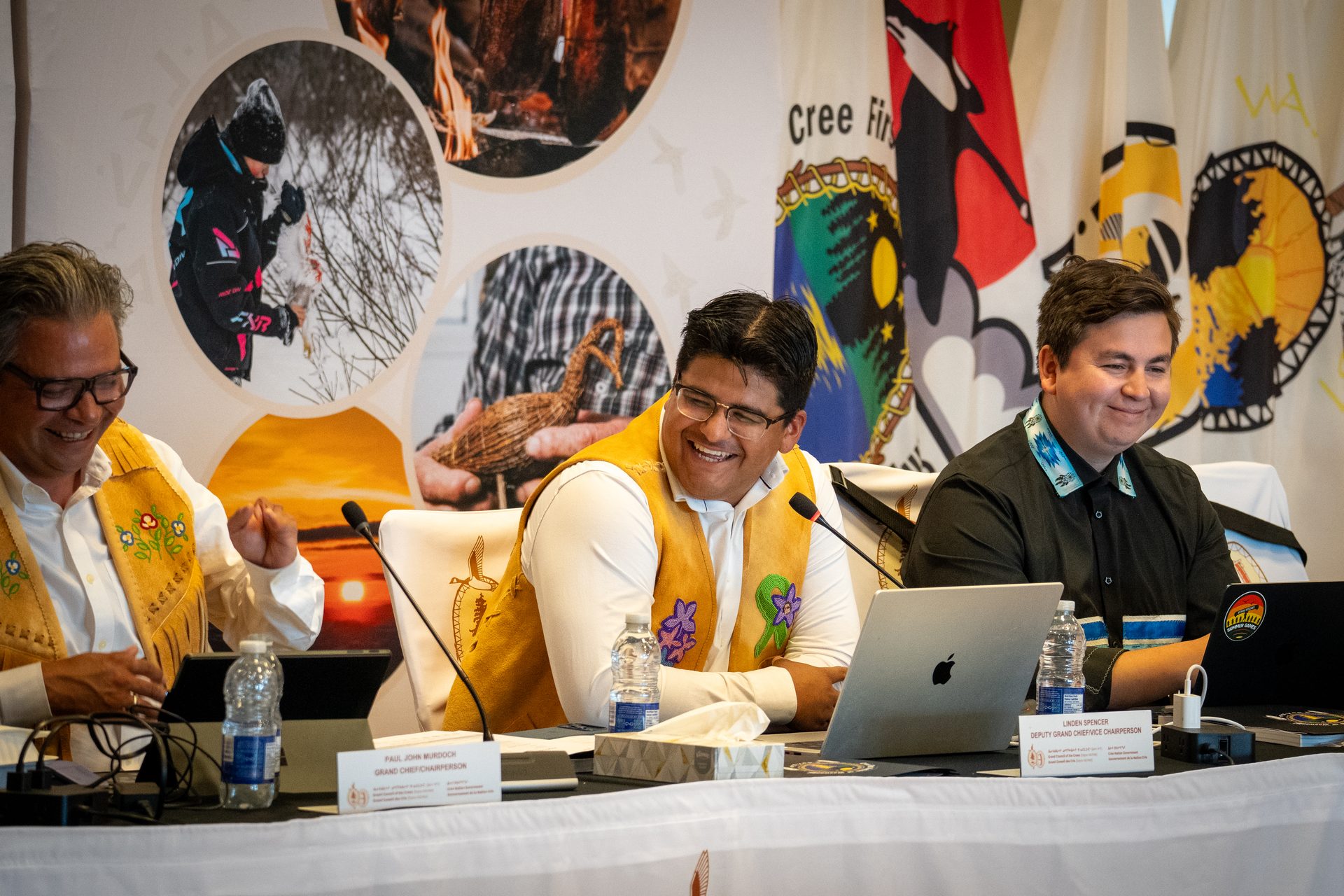
The Assembly opened with a prayer and welcoming remarks from the Chief of the Cree First Nation of Waswanipi, Grand Chief Paul John Murdoch and Deputy Grand Chief Linden Spencer. Community delegates were introduced before the Assembly moved into its formal business.

The first day included the appointment of recording secretaries and a Resolutions Committee, adoption of the agenda and the previous year’s minutes, acknowledgement of Board/Council records and the tabling of the Cree Nation Government’s Annual Report.

These proceedings form an essential part of accountability to the people of Eeyou Istchee. They provide delegates with an opportunity to review decisions, examine progress and ensure the Nation’s institutions remain responsive to community priorities.

Financial accountability continued on the second day with the presentation of audited financial statements from the Grand Council of the Crees (Eeyou Istchee) and Cree Nation Government, as well as the Board of Compensation.

Delegates also heard from the Cree Nation Youth Council and received an update on the CONNECT Leadership Forum, which is bringing regional institutions and communities together to coordinate action on health, safety and social well-being.

An evening presentation from the Cree Hunters Economic Security Board also reflected on 50 years of leadership and collective effort in support of Cree hunters and their families. Through archival photographs, memories and discussion, the session honoured those who helped develop the Income Security Program and those who continue to maintain Cree knowledge and connections to the land.

Honouring Exceptional Service

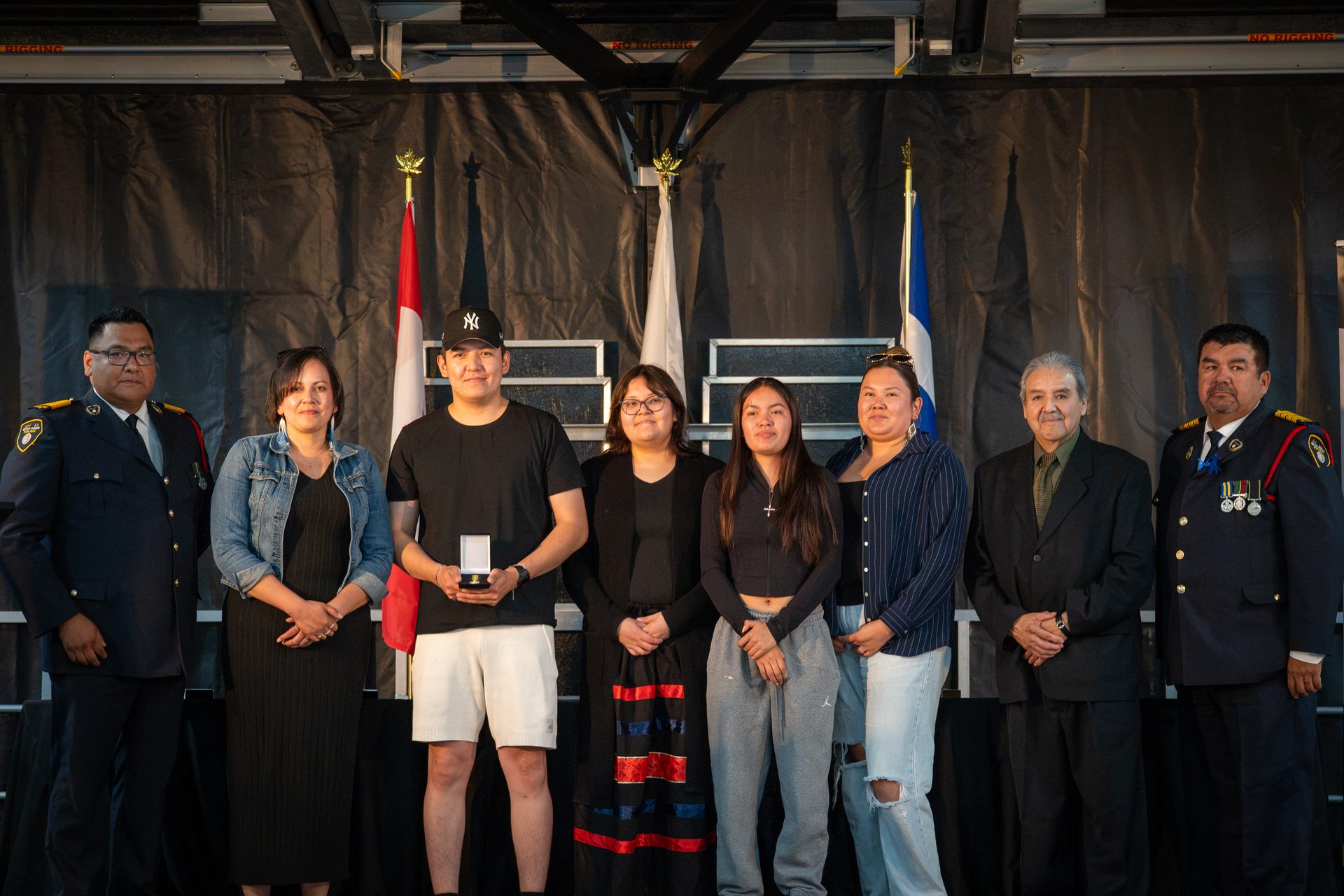
One of the most meaningful moments of the opening day was a Recognition of Service Awards Ceremony involving the Eeyou Eenou Police Force.

The ceremony recognized exceptional acts of service and bravery by officers serving the communities of Eeyou Istchee. It offered the Assembly an opportunity to acknowledge work that can require courage, sound judgment and a deep commitment to protecting others.

Congratulations to this year’s award recipients:

  • Bruce Wapachee — Valor Award
  • Late Charlie Gunner received by Kobe & Family Gunner — Valor Award
  • Bianka Sharl-Roy — Distinguished Service Award
  • Emilie Blais-Mercier — The Late Eric Benac Meritorious Service Award

Education Rooted in Identity

Education and the future of Cree students were at the centre of the Assembly’s third day, with the Cree School Board presenting a wide-ranging update covering attendance, retention, graduation, literacy, post-secondary education, adult learning, Cree language revitalization, socio-emotional wellness, specialized student supports and school infrastructure.

The presentation showed encouraging progress in student retention, with 88% of students in the 2021–2026 cohort remaining in school from Secondary 1-5, compared with 42 per cent for the 2005–2010 cohort.

Attendance continues to have a major influence on academic performance, with students attending at least 85 per cent of school days generally achieving stronger results.

Literacy and Cree language revitalization also remain key priorities. The proportion of students in Lexia reading programs working at or above grade level increased from two per cent in 2022–2023 to 31 per cent in 2024–2025.

The Cree Language Immersion project completed its first full year of Grade 1, with Grade 2 programming now being introduced as the Cree School Board continues developing a learning path that can take children from early word recognition to confident conversation and storytelling.

The presentation also highlighted alternative education, land-based learning, socio-emotional supports and practical pathways for students whose needs are not fully met through conventional programming. Adult and post-secondary programs are similarly expanding opportunities, including the newly renamed iiyiyiu/iinuu Springboard to Health Careers, which broadens preparation beyond nursing to additional health professions.

A recurring message throughout the presentation was that student success is shared work.

Care Closer to Home

That message continued during the afternoon presentation by the Cree Board of Health and Social Services of James Bay (CBHSSJB), which shared its vision of Miyupimâtisîun grounded in Cree strength, values and self-determination.

Its update focused on building a system organized around individuals and families, with stronger continuity between services and greater attention to cultural safety.

The presentation highlighted how community-based services such as hemodialysis and diagnostic testing can reduce the burden of medical travel and allow clients to remain closer to family, culture, language and community support.

In 2025–2026, CBHSSJB reported more than 92,000 regional and inter-community arrivals and departures connected to health care and other services, while also organizing 220 in-territory specialized clinics and expanding both in-person and virtual access.

CBHSSJB also emphasized prevention and collaboration.

Through the CONNECT initiative, CBHSSJB is also working on improving communication and data-sharing, shifting sectors toward prevention-based wellness approaches and creating joint case-management practices for individuals and families facing greater risk.

The overall goal is to create a more connected system, bringing services together, organizing them around people and reducing the need for clients to navigate disconnected systems alone.

Guiding the Work Ahead

The final day included a presentation from the Cree Trappers’ Association, proposed General Law amendments, open discussion and adoption of resolutions.

These final sessions gave delegates an opportunity to bring forward community priorities and provide direction to leadership and administration.

Across four days, the Assembly demonstrated that governance is more than documents and resolutions. It is also about listening, learning, recognizing service and maintaining relationships across communities and generations.

The education and health presentations highlighted both progress and the work ahead, while the EEPF ceremony, Sol Awashish’s walk, and community activities reinforced the importance of service, culture and connection.

As delegates left Waswanipi, the theme “United in Purpose, Guided by Hope” reflected the responsibility shared by leadership, institutions and communities to carry the discussions forward.

Meegwetch

Meegwetch to the Cree First Nation of Waswanipi, the delegates, Elders, youth representatives, presenters, organizers, staff, technicians, volunteers and community members who made the 2026 Annual General Assembly possible.