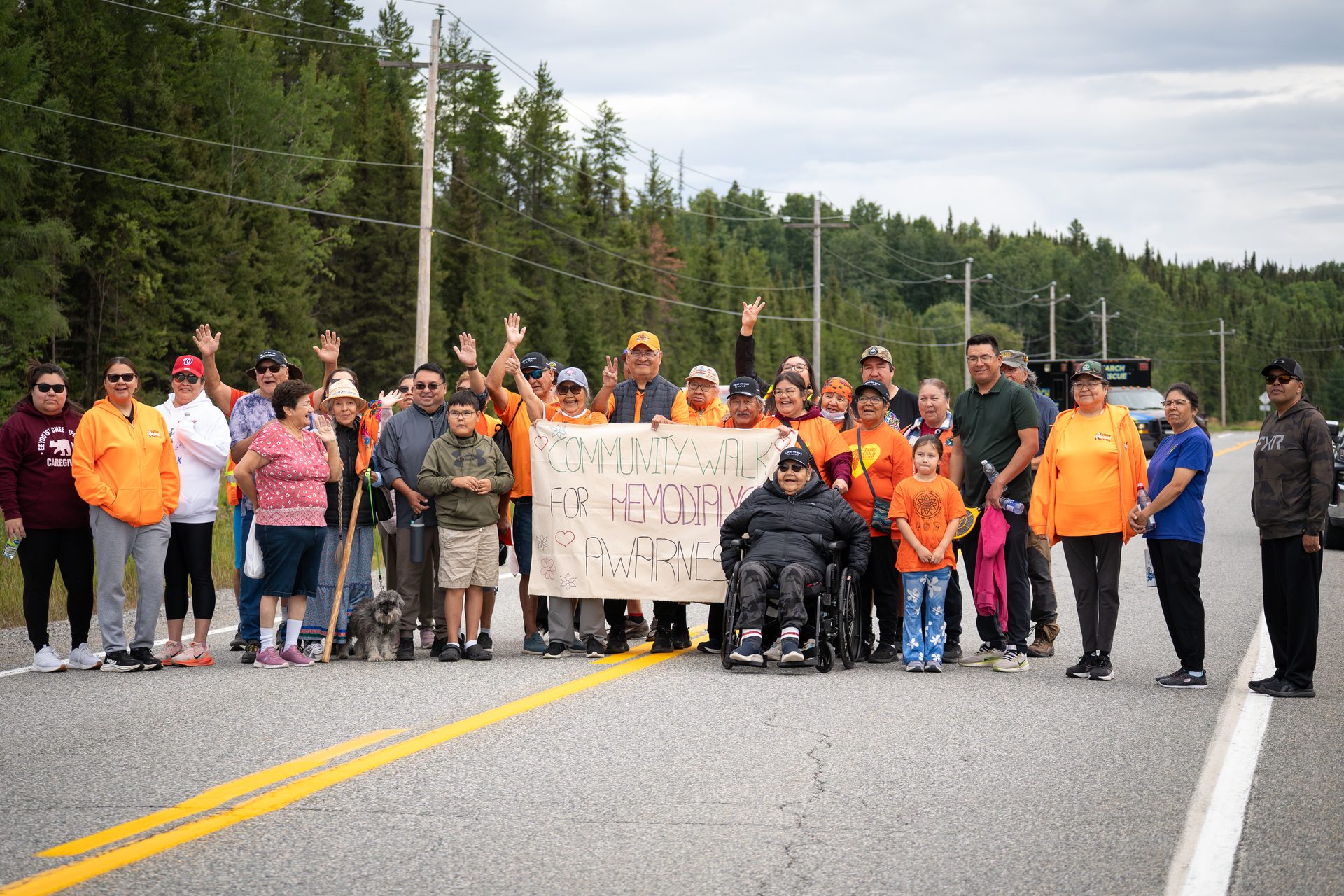
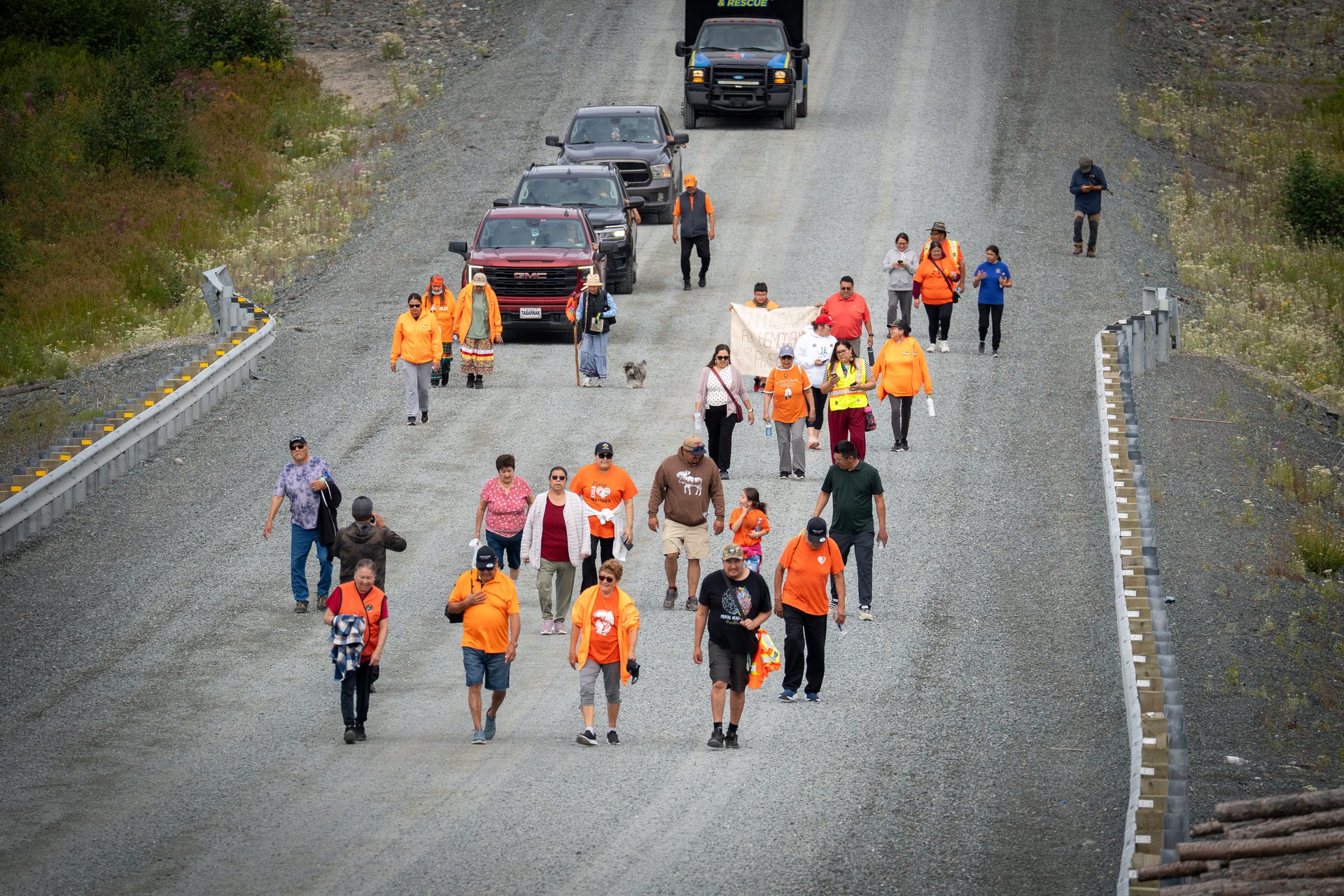
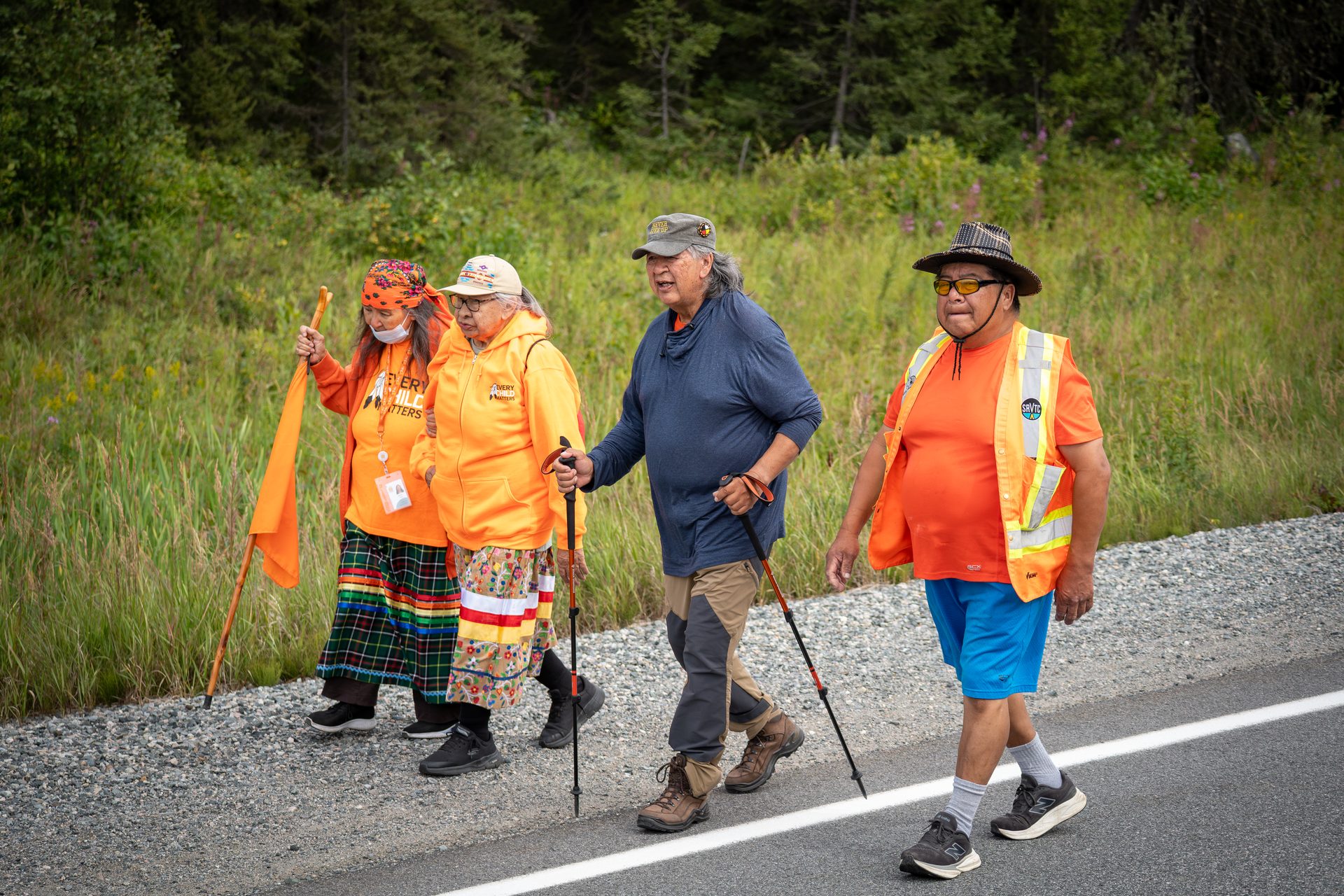
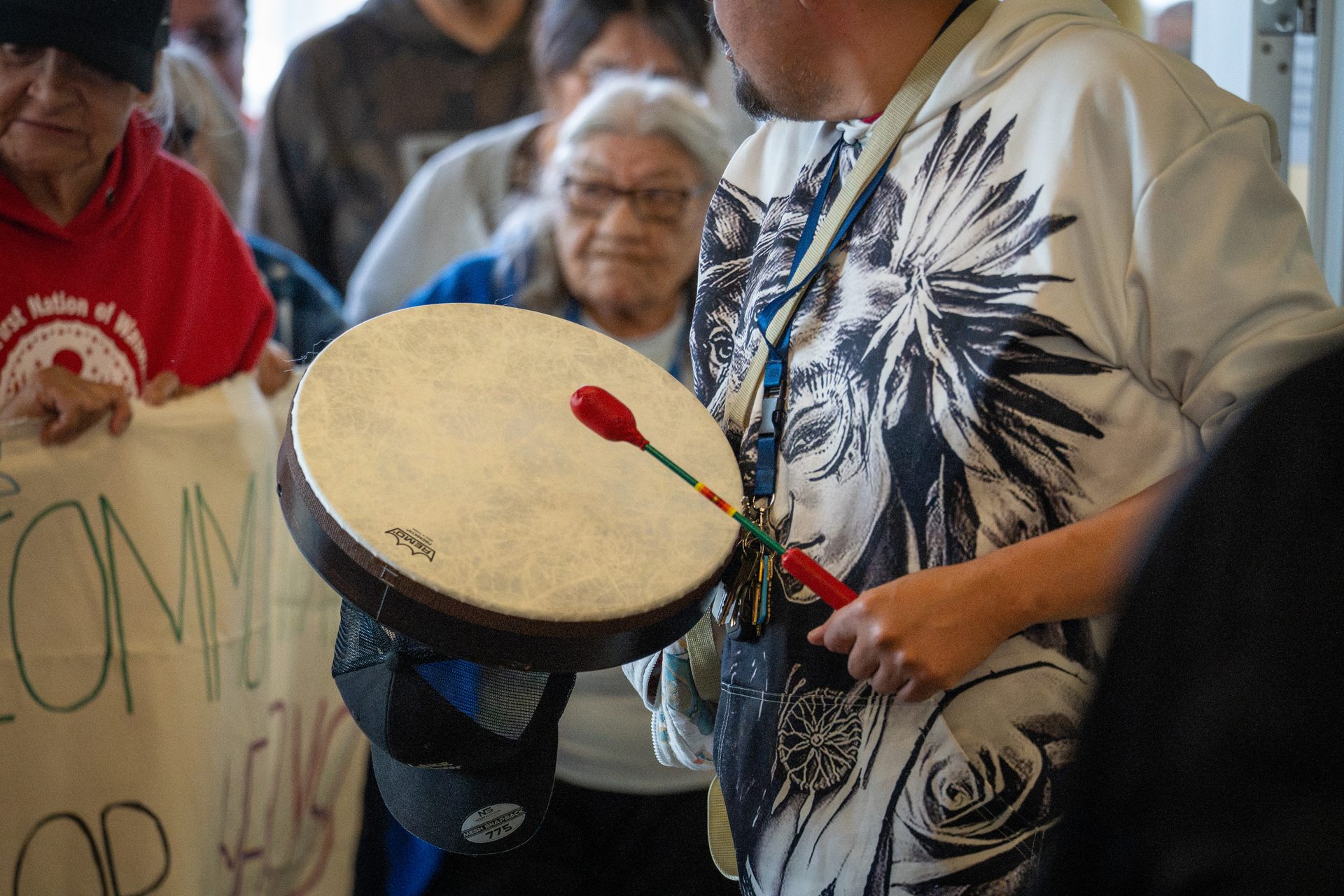
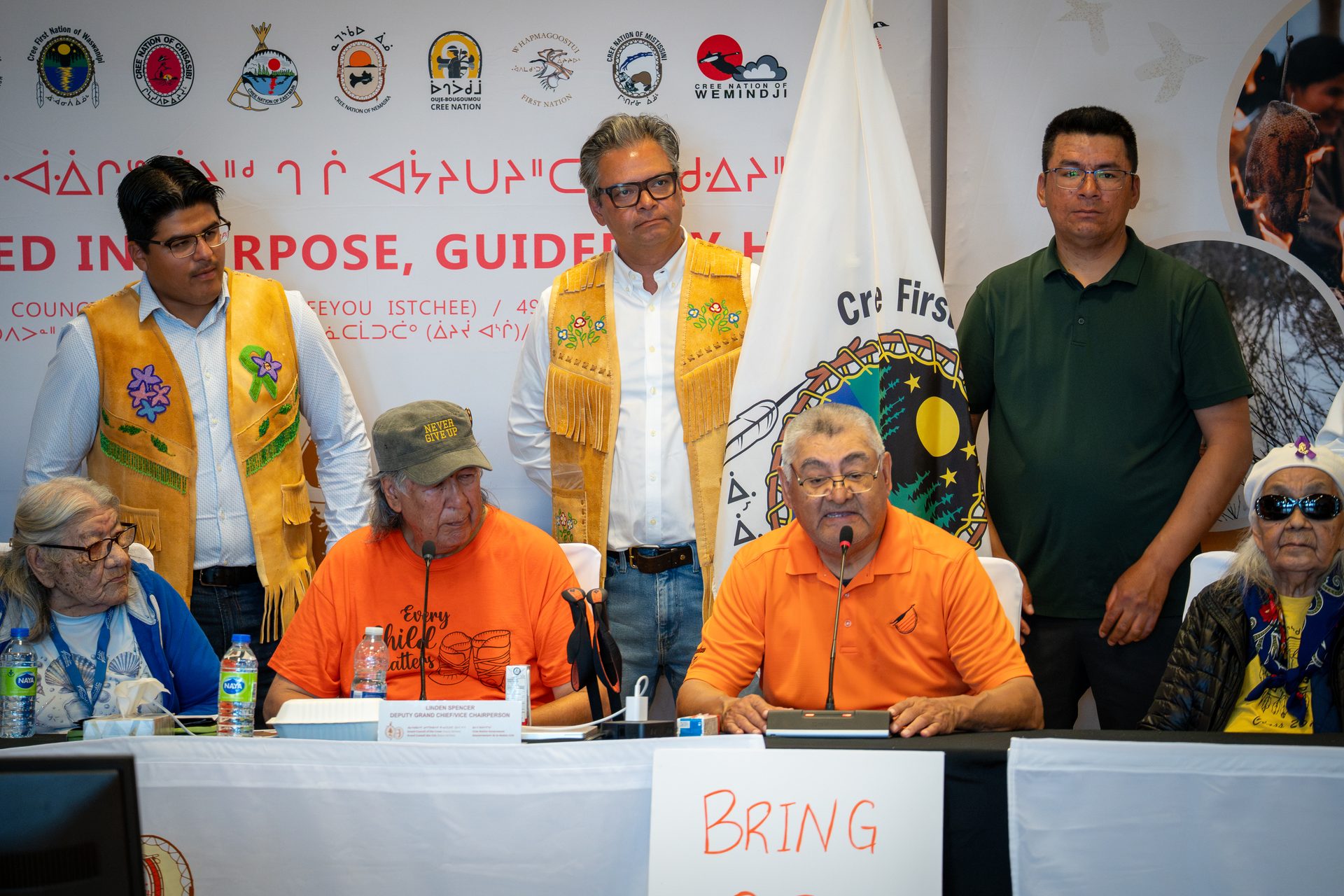
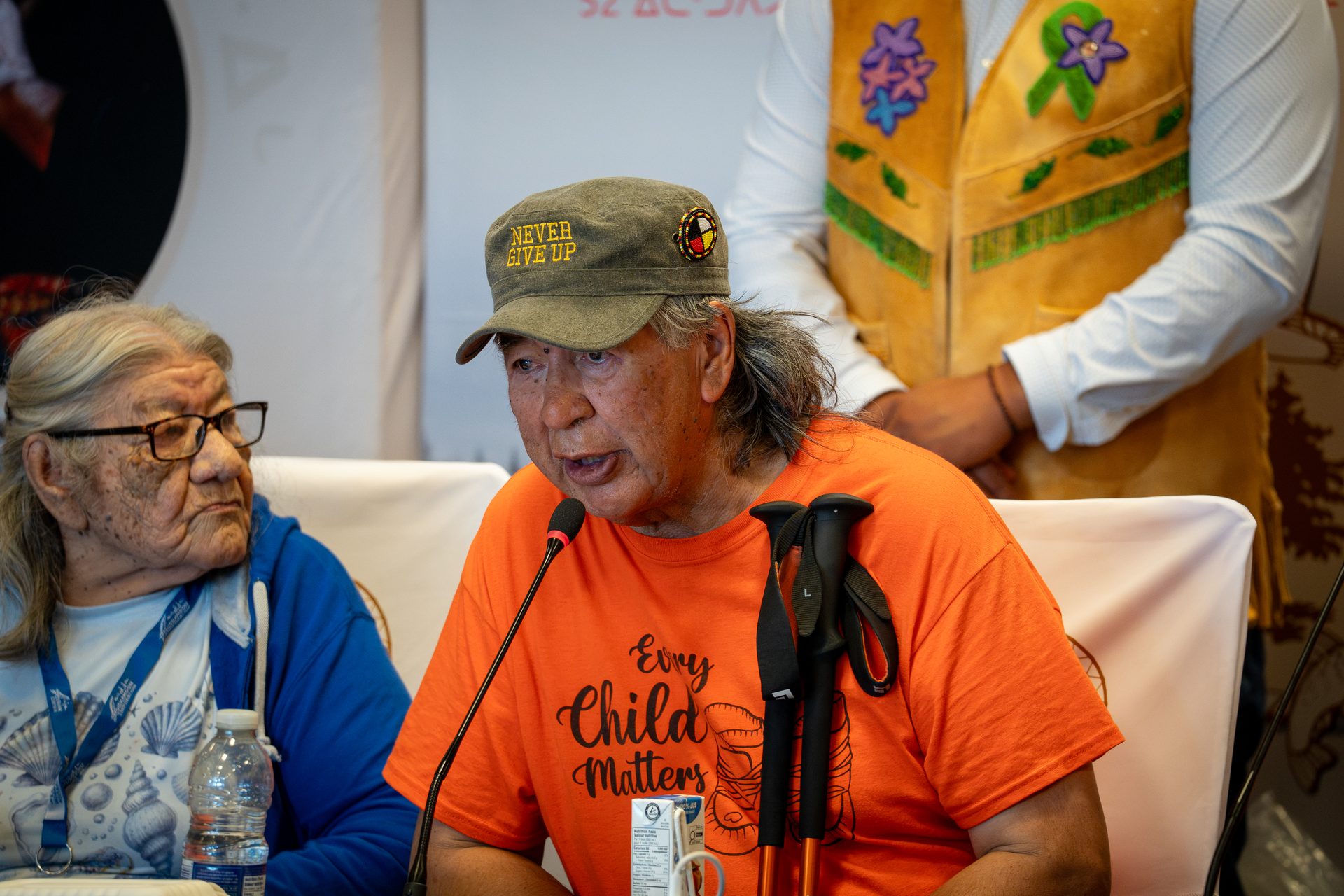
Sol Awashish and fellow walkers bring a call for hemodialysis care closer to home to the Annual General Assembly in Waswanipi.
An Interview with Sol Awashish
For Sol Awashish, walking has been a powerful way to deliver a message. Over several decades, he has organized and participated in journeys promoting diabetes prevention, healthy living and collective responsibility for community wellness. Many of these walks have brought their message directly to Cree leadership at the Annual General Assembly.
In August 2026, Sol and a group of supporters turned their attention to hemodialysis. Through a relay walk that ended at the AGA in Waswanipi, they called for treatment closer to home and greater support for patients and families who must travel several times each week to receive essential care.
1. Please take us back to the beginning of this walk. What made you decide this was the right way to raise awareness?
The idea came from visiting the hospital in Chibougamau. My brother was on dialysis there for a while, and I would sometimes give him a ride home. Whenever I went to the hospital, I would see Elders in wheelchairs near the entrance. Sometimes they would be sleeping there.
One time, I spoke to a patient from Waswanipi. The person explained that dialysis started at eight in the morning, which meant getting up around four or five to prepare for the drive. The treatment would finish at noon, but the ride home might not leave until three. That is a very long day, three times a week.
When I heard that, I thought, “That’s terrible.” Being on dialysis is already tiring, and then people have to spend so much additional time travelling and waiting.
I spoke with people in Waswanipi, including Chief Matthew Happyjack, about organizing a walk to the Annual General Assembly. The idea was to ask for a resolution and begin working toward having hemodialysis services in Waswanipi.
Because we were already close to the AGA dates, we decided to organize a relay. Everybody walked their share of the route. I walked approximately 40 kilometres.
“The challenge is getting it done. Government has to approve the operation and the building, and we also need cooperation from the Health Board because they will provide the services.”
2. What did you hear from people that you most want readers to understand about hemodialysis?
Most of the people who walked with us had a relative or a parent receiving dialysis, either in Chibougamau or Montreal. Others had relatives living with diabetes and were concerned about the complications that can develop. Some of the walkers were themselves living with diabetes.
Everybody had a reason to be there.
At the Assembly, I asked how many people had diabetes or were at risk. Many people raised their hands. Then I asked how many knew somebody affected by it, and hands went up everywhere.
“Kidney disease and dialysis do not affect only the patient. They affect the entire family. People lose hours and days travelling. They miss family life and things happening in their communities. That is what people may not always see when they think only about the medical treatment.”
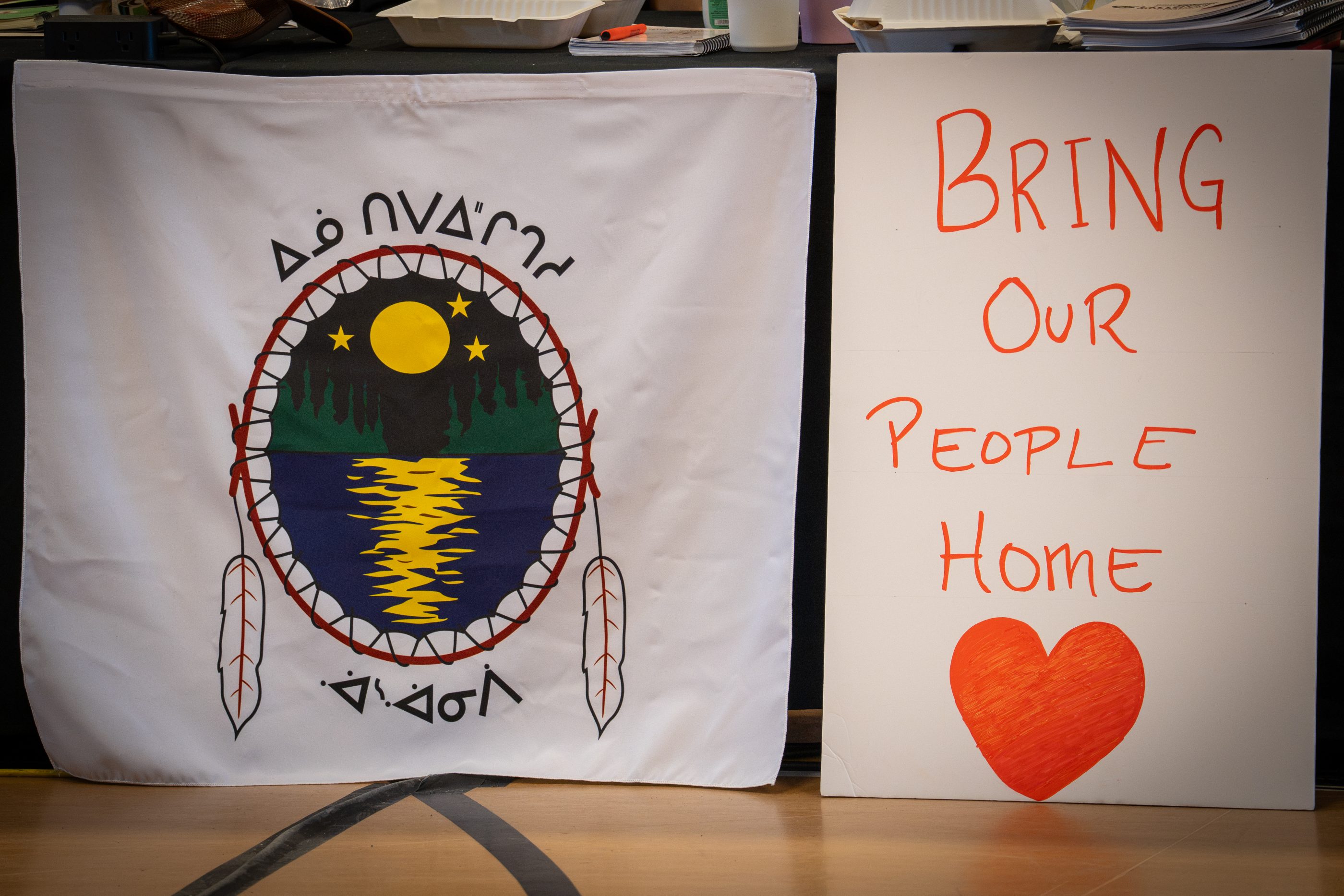
3. Walkers carried the message “Bring Our People Home.” What does that statement mean to you?
The whole idea is bringing our people home and improving their quality of life.
If services can be provided closer to home, patients can remain nearer to their families, communities and support systems.
The message is similar to earlier hemodialysis campaigns. People wanted to bring patients home then, and that is still what we want today.
“Of course, we’re trying to improve their quality of life. Being on dialysis is quite tiresome. People are missing out on family life and a lot of other things.”
4. Walking has been part of your health advocacy for many years. Why is it such an effective way to reach people?
In the old days, messages were delivered by walking. When news reached a camp, someone would walk to the next camp and another person would continue carrying the message. Walking is one of our oldest traditions, and I think it should continue.
I decided that walking might still be one of the best ways to deliver a message.
I began organizing my own walks in the early 2000s. During the 2002 journey, we finished with a large group of people walking together. That is what I usually try to do: bring people together and get as many walkers involved as possible.
Walking is also one of the easiest ways for people to become physically active. We regularly tell people they should be more active, so we should demonstrate it ourselves.
I often organize the destination around the Annual General Assembly because the leaders are gathered there. It is an opportunity to bring attention to an issue and ask leadership to act.
“Walking to me is a spiritual thing, it is a way to connect with the land. I had a dream when I was younger that someday I would meet someone on a walk that I would help, years later I discovered it was myself.”
5. What do you think leadership needs to hear and how do we move forward?
We need to find a way to work with government to secure the necessary approvals. We also need cooperation from the Health Board and continued support from Cree leadership.
Leaders can help by being role models. They do not have to do difficult exercise. They can walk, participate in community activities, play hockey or support people returning to traditional activities on the land.
I would also like to see more funding for healthy-lifestyle programs, including physical activity and traditional land-based activities. Hunting, walking, checking snares and snowshoeing are all ways of being active. They also help people manage stress.
For community members, my message is to begin with your own health. I get up in the morning, stretch, exercise with light weights and try to walk for at least an hour. That is part of my routine—my ritual.
People should also be tested for diabetes, especially when there is a family history. Someone can live with diabetes for years without knowing it. By the time symptoms appear, complications may already be developing.
Preventing chronic disease cannot be the responsibility of one organization or one department. Schools, health professionals, recreation programs, community governments and regional entities all have a part to play.
“If you don’t have healthy kids, they’re not going to succeed either, even if you have the best academic program in the world.”
“We need to work together. A leader should be able to bring all the players together and create a healthy environment for the community.”
Making Space for Local Voices and Hope for the Future
Sol expressed appreciation to Cree leadership for making room in the AGA agenda for the walkers and their message.
He also emphasized that he tries to place community members at the centre of each presentation.
“I always try to let the local people do the speaking. It is their community, and they should be heard.”
Sol hopes the walk will contribute to both immediate improvements in dialysis care and a wider regional commitment to preventing chronic disease.
He believes progress will require healthier schools, stronger community programs, more opportunities for land-based activity and cooperation between organizations that too often work separately.
“My hope is that we will see the prevalence of diabetes begin to decline,” he said. “That can only be done if we all work together.”